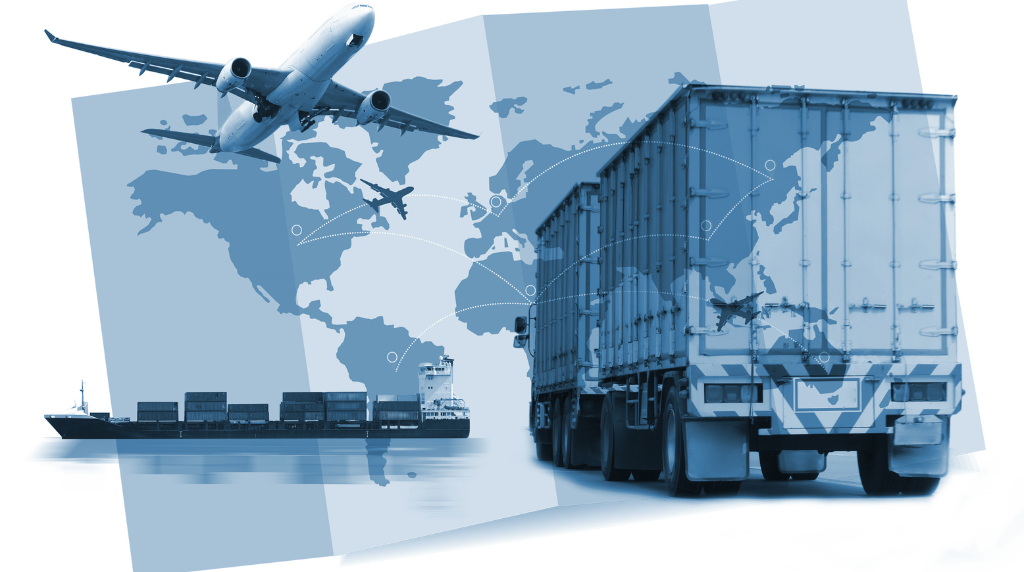
One of the first questions that arises when organizing an international import or export is whether it is better to choose sea freight or air freight.
At first glance, the answer seems simple: the plane is faster and the ship is cheaper.
However, in practice, the decision rarely depends solely on those two factors.
Choosing the right mode of transportation involves analyzing the cargo, delivery times, destination, available budget, and the impact that any delays might have on the company’s operations.
That is why, before requesting a quote, it is a good idea to consider the operation as a whole. The choice of transportation is a result of that planning, not the starting point.
The best option isn’t always the fastest or the cheapest
There is a tendency to compare only the cost of ocean freight with that of air freight.
However, limiting the analysis to transportation costs can lead to inefficient decisions.
In some projects, reducing transit time by a few days can be crucial to avoiding a production shutdown.
In other cases, the priority will be to optimize costs because the deadlines allow for greater flexibility.
The key is to understand what each operation really needs.
Before choosing a mode of transportation, it’s a good idea to analyze the entire process
Transportation is only one part of the logistics process.
Before deciding whether to ship cargo by sea or air, it is important to review factors such as documentation, customs clearance planning, and coordination among all parties involved.
If you’re planning an import, we recommend that you also read our article How to Import Cargo to the Canary Islands Without Delays or Extra Costs, where we analyze all the factors you should review before starting a logistics operation.
When is sea freight usually the best option?
Ocean freight is often a very attractive option when time is not the primary factor in the operation.
It is generally suitable for:
- bulky cargo;
- heavy loads;
- planned stock replenishments;
- industrial projects;
- regular imports.
That doesn’t mean it’s always the best option.
It will depend, among other factors, on the delivery schedule, the value of the cargo, and the impact that a potential delay would have.
Advantages of Sea Freight
Among its main advantages are:
- capacity for large volumes;
- greater flexibility for certain types of cargo;
- cost optimization in planned operations;
- extensive international coverage.
When planning is done well in advance, it tends to be a very efficient option.
Points to Consider
It also has certain distinctive features.
Travel times are generally longer than those for air travel and may be affected by various operational factors.
That is why it is advisable to review the entire schedule for the operation and not just the estimated departure or arrival date.
When is air travel usually the best option?
Air freight is usually chosen when speed is a major factor in the decision-making process.
It is commonly used for:
- urgent cargoes;
- components needed to prevent a production shutdown;
- technology products;
- high-value cargoes;
- critical replacements.
However, urgency should not be the only criterion.
It is also worth analyzing whether the additional cost actually provides a benefit to the company.
Advantages of Air Travel
Among the most notable are:
- shorter transit times;
- faster response to urgent needs;
- a good option for high-value, low-volume cargoes;
- the ability to respond quickly to certain incidents.
For some operations, reducing the delivery time by several days can more than offset the cost difference.
There are also limitations
Not all cargoes can be transported by air under the same conditions.
The volume, weight, or certain characteristics of the product may affect this option.
That is why it is advisable to analyze each shipment individually before making a decision.
Five Questions to Ask Yourself Before Making a Decision
Rather than wondering whether a boat is better than a plane, it’s helpful to answer a few questions:
What happens if the cargo arrives a few days late?
The answer could completely change the strategy.
What would be the cost of a business interruption?
In some industries, an urgent delivery prevents losses that are much greater than the cost of shipping itself.
Do the cargoes take up a lot of space?
Size and weight directly affect the feasibility of each option.
Is this a one-time or recurring order?
Recurring operations allow for a different approach to planning than an urgent, unexpected shipment.
Are there any special requirements for the cargo?
Each product has characteristics that can affect logistics operations.
The most common mistake: choosing the mode of transportation before analyzing the operation
Many companies first request several quotes and only then begin to consider the other factors.
However, that order is usually the opposite of what is recommended.
Before comparing prices, it’s a good idea to determine what your actual logistics needs are.
Only then does it make sense to assess which option best meets the objectives of the operation.
The option that seems cheapest isn’t always the one that offers the most value.
There are no one-size-fits-all solutions in international logistics
A company may import the same cargo several times a year and use different modes of transportation each time.
Why?
Because the deadlines change.
Change the source.
The urgency has changed.
Customer needs are changing.
Every operation evolves and requires a fresh assessment of the best course of action.
That is why, in international logistics, the most efficient decisions are usually based on analysis rather than standard solutions.
Choosing the right shipping method starts long before you book a shipment
Deciding between sea freight and air freight isn’t just a matter of comparing prices or transit times.
This involves understanding what the operation truly needs and assessing how factors such as the cargo, deadlines, destination, operational risk, and supply planning influence the process.
Each project has its own unique circumstances and warrants a specific analysis before a decision is made.
When transportation is part of a well-designed logistics strategy, it is much easier to reduce incidents and optimize operations as a whole.
Not sure what the best option is for your cargo?
If your company is preparing to import or export goods and you want to ensure you choose the most appropriate mode of transportation, at Archipiélago Logistics Solutions we analyze each operation on a case-by-case basis to design the logistics strategy that best suits your needs.
Because in international logistics, the best decision isn’t always the same. It’s the one that addresses the specific needs of each project.