Export does not begin when the cargo leaves the Canary Islands
Many companies believe that an export begins on the day the cargo leaves the warehouse.
In reality, the success of an operation is usually decided long before that.
Before booking transportation.
Before preparing the documentation.
Even before setting a shipment date.
Because exporting isn’t just about transporting a product from the Canary Islands to another destination. It involves planning an operation that encompasses commercial, documentation, and logistical aspects that must work together in a coordinated manner.
The better those initial decisions are prepared, the greater the likelihood that the export will proceed smoothly.
Before exporting, it’s a good idea to review the process
No two exports are alike.
Factors such as the type of cargo, the destination country, the delivery times agreed upon with the customer, the shipment volume, and the specific requirements of each transaction all play a role.
Therefore, before arranging transportation, it is advisable to answer questions such as:
- What documentation will be required?
- What is the actual delivery time?
- Which mode of transportation is best suited for this operation?
- What responsibilities will each party assume?
- Are there any specific requirements in the destination country?
Addressing these issues from the outset helps reduce uncertainty and makes it easier to make decisions with greater confidence.
Documentation is much more than just a formality
One of the most common mistakes is to view documentation as the final step before shipment.
However, many delays stem precisely from documentation that is incomplete, incorrect, or submitted too late.
Commercial Invoice.
Packing list.
Specific certificates.
Customs documentation.
Depending on the destination and the type of cargo, requirements can vary considerably.
That is why preparing the documentation correctly from the start helps prevent issues during the operation.
Choosing a mode of transportation is also part of the strategy
Often, the first question is:
“Which mode of transportation is cheaper?”
But that’s not usually the most important issue.
What really matters is identifying which option best meets the needs of the operation.
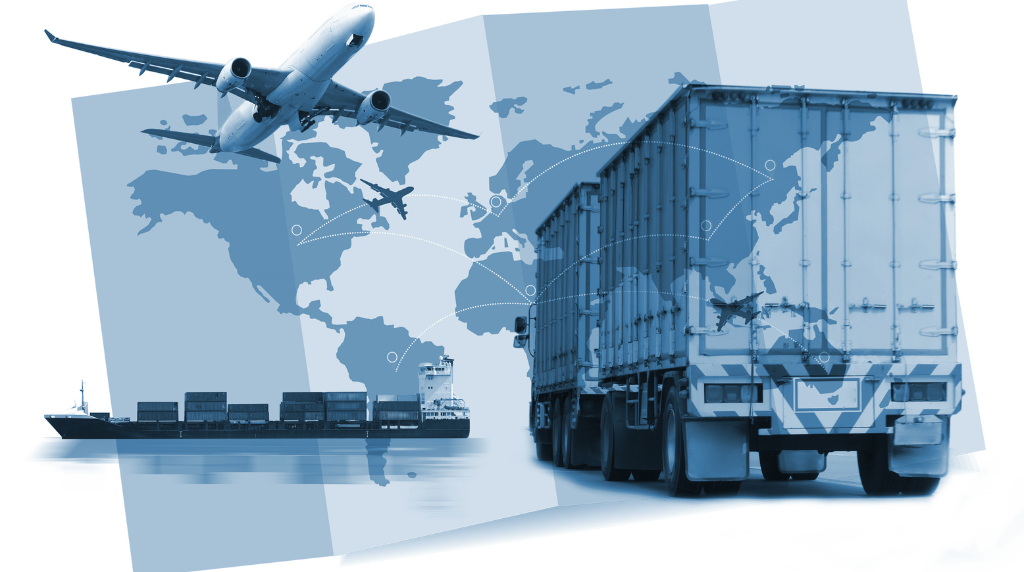
Sea freight is often suitable for bulky cargo or when the timeline allows for more planning.
Air transport may be the best option when speed or the value of the cargo is a priority.
In other cases, it may even be advisable to combine different solutions.
There is no single answer.
Each export requires an analysis of its own priorities.
Sea freight or Air Freight: How to Choose the Best Option for Your Cargo
Coordination prevents many problems before they arise
Various parties may be involved in an export transaction.
Supplier.
Carriers.
Customs brokers.
Logistics operators.
Warehouses.
End customer.
Each one plays a different role.
Coordination among all of them is essential for the operation to proceed as planned.
In many cases, issues arise not because someone made a mistake, but because certain information did not reach the right person at the right time.
Why a Single Point of Contact Improves a Complex Logistics Operation
Planning also improves customer relationships
An export does not end when the cargo leaves the Canary Islands.
The customer is waiting for information.
He wants to know the status of the shipment.
You need realistic projections.
And, if any issues arise, they would appreciate a prompt and coordinated response.
Good logistics planning makes it easier to ensure clearer communication throughout the process and builds greater trust in the business relationship.
Every market has its own unique characteristics
Exporting to the Iberian Peninsula does not involve the same requirements as exporting to another European country or to an international market.
Documentation requirements, transit times, and certain procedures may vary depending on the destination.
For this reason, it is advisable to analyze each transaction individually and tailor the planning to its specific characteristics.
Always following the same procedure can lead to inefficiencies or delays that could be avoided with proper preparation.
Customs Mistakes That Cause Your Cargo to Be Delayed
Successful exporting means making good decisions before the first shipment
An international shipment does not depend solely on the cargo reaching its destination.
It depends on all the decisions that have been made previously.
Prepare the documentation.
Choosing the right logistics solution.
Coordinate all parties involved.
Anticipate potential issues.
Maintain open communication throughout the entire operation.
When these elements are planned together, exports become more efficient, and the company can focus on conducting its business with greater peace of mind.
Because exporting from the Canary Islands isn’t just about the shipment of a product.
It involves designing a logistics operation tailored to the needs of each business.
Are you preparing to export from the Canary Islands?
Every operation has different needs. If your company wants to export to mainland Spain or international markets and you’re looking for a plan tailored to your operations, at Archipiélago Logistics Solutions we analyze each project to design the logistics solution that best meets your objectives.
Because efficient exporting begins long before the cargo sets out on its journey.