
The Challenge of Relocating
astronomical equipment at an altitude of 2,400 meters.
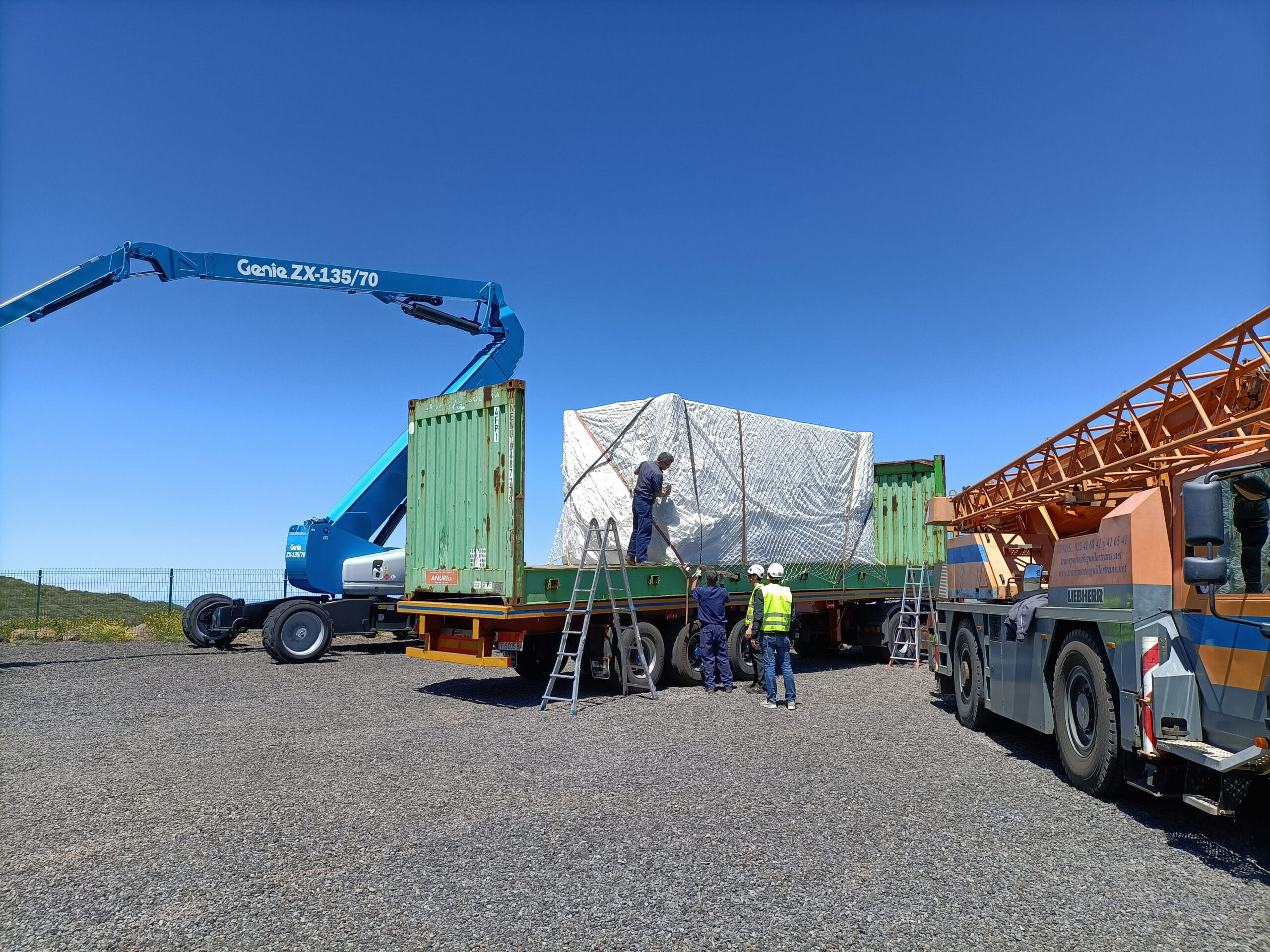
Result
- Time savings
- Logistics Improvements
- Cost Reduction
- Zero incidents
What Our Customers Say
One of the most complex challenges we have faced to date. Transporting a material of such high economic value requires more advanced solutions that are specifically tailored to its needs.
Once again, Archipiélago Logistics Solutions has risen to the challenge and has been able to take part in a project that will allow us to continue discovering wonders that lie beyond our understanding.
How We Protect and Transport Scientific Instruments for the CTA Project from the Roque de los Muchachos Observatory
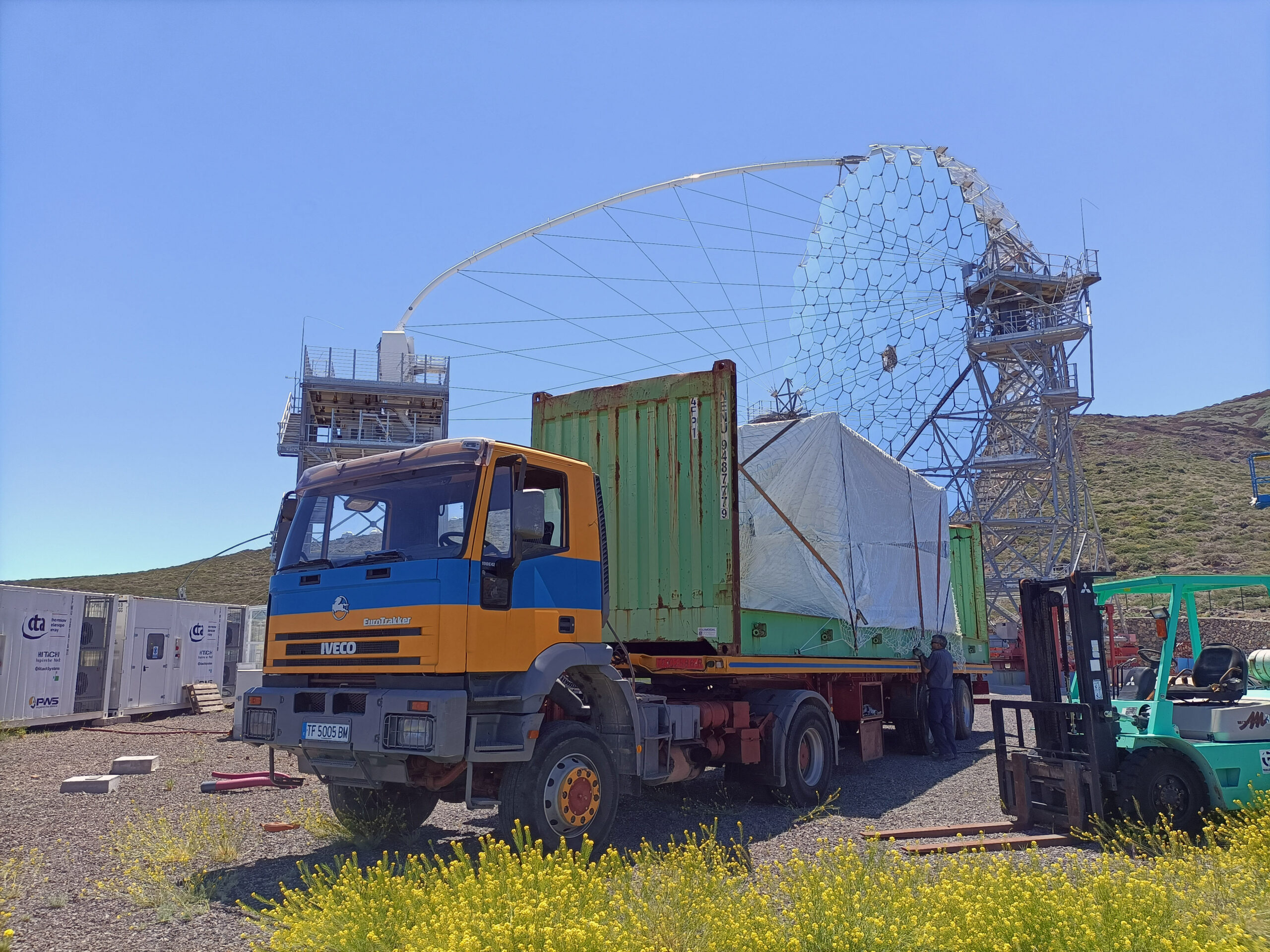
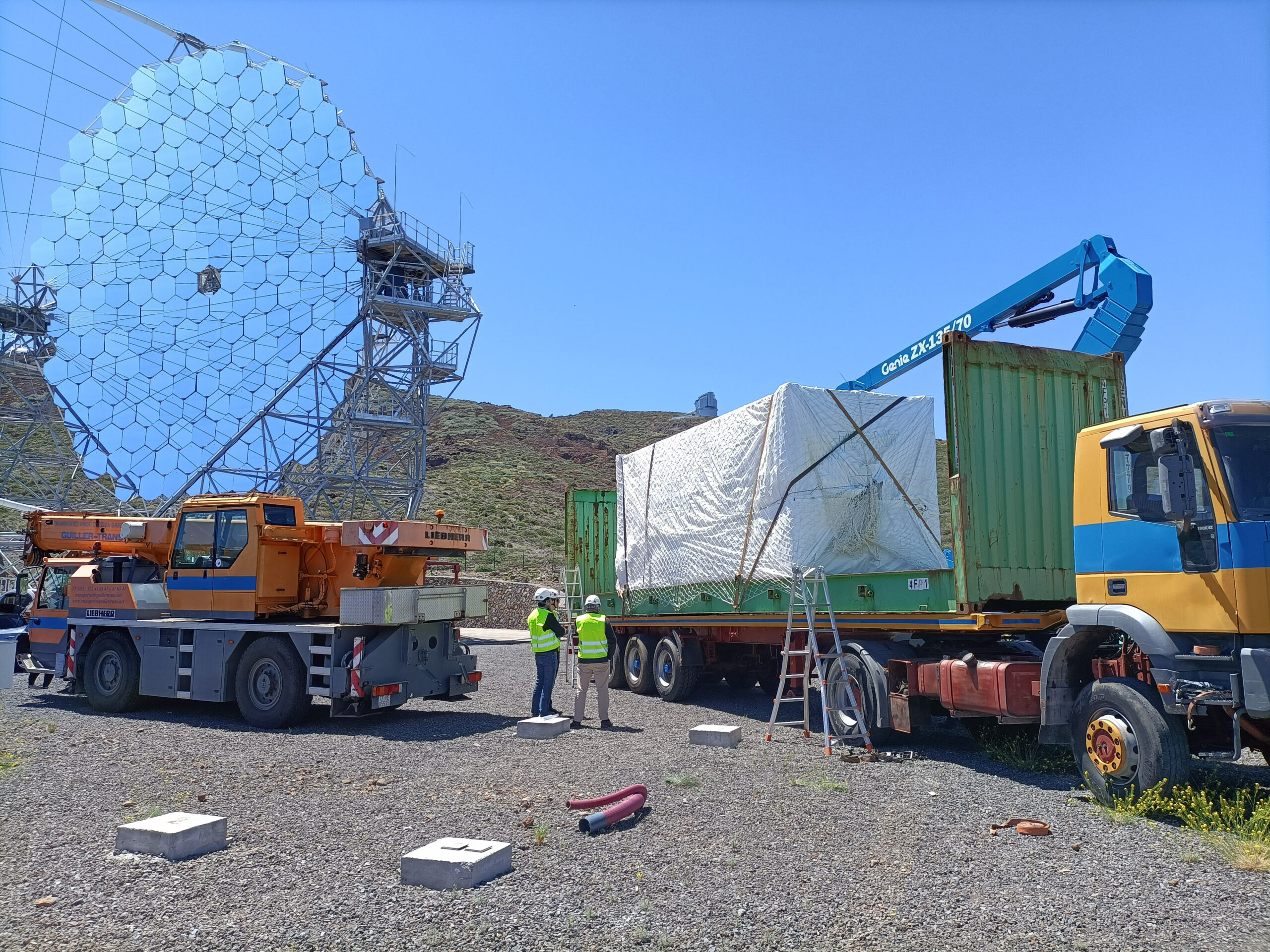
The CTA (Cherenkov Telescope Array) project’s Raman LIDAR Pathfinder, developed by the Institut de Física d’Altes Energies (IFAE) in Barcelona, was installed at the Roque de los Muchachos Observatory (La Palma).
A LIDAR (Light Detection and Ranging) is an instrument that analyzes the atmosphere using laser pulses to measure aerosols and water vapor at different altitudes. This information makes it possible to calculate the extinction coefficient, a key parameter for calibrating the telescopes in the CTA project.
The system was installed at CTA-Norte, within the LST-1 telescope construction site, from February 2021 to April 2022 for a testing period. It was then to be sent back to Barcelona for improvements and updates.
The challenge: protecting and transporting equipment with no room for error
Transporting this type of scientific equipment requires very strict protective measures.
The system includes optical and electronic components that are sensitive to:
- humidity
- powder
- environmental pollution
Before transporting the equipment, it was necessary to ensure that it was fully protected.
The Solution
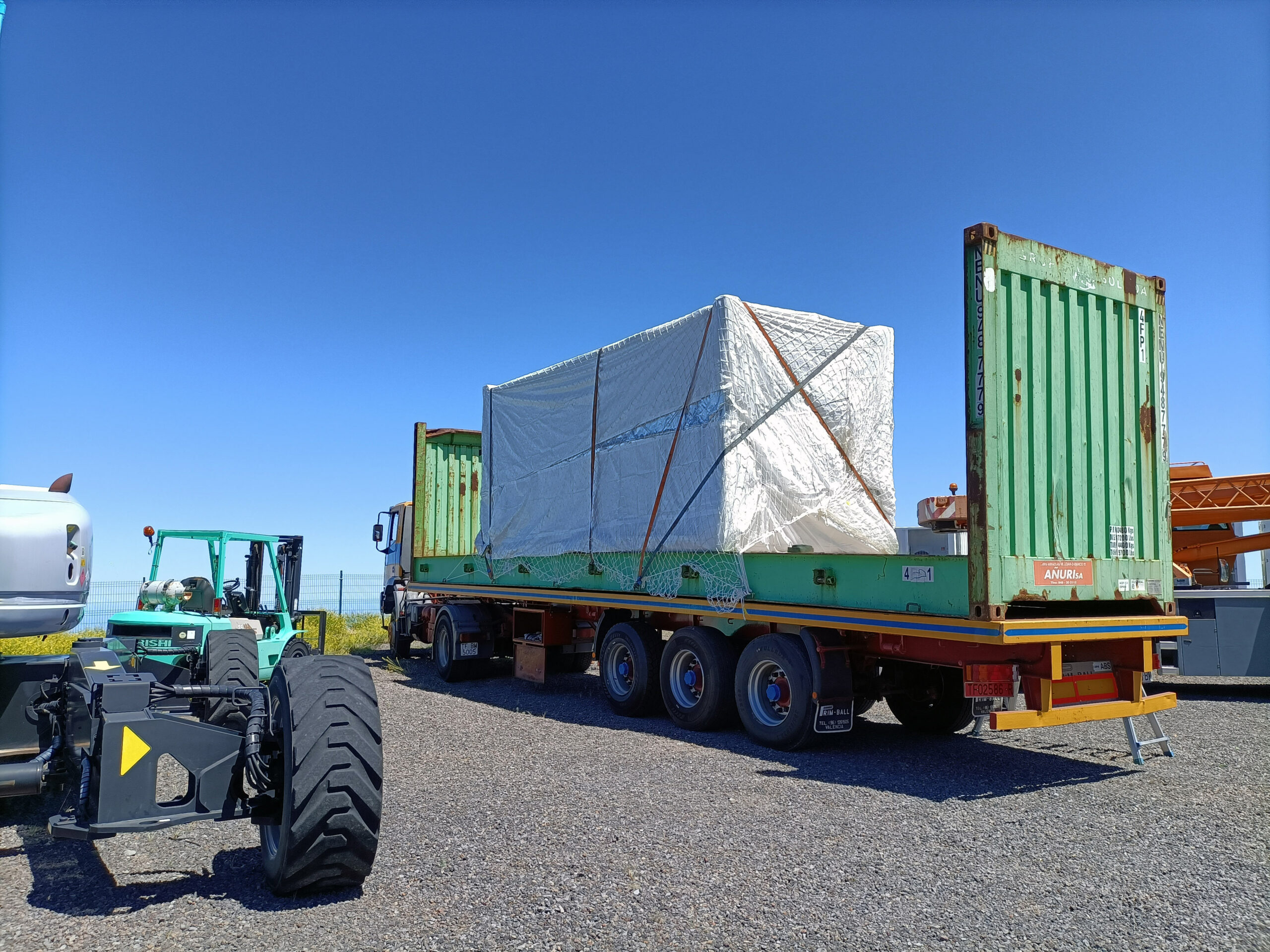
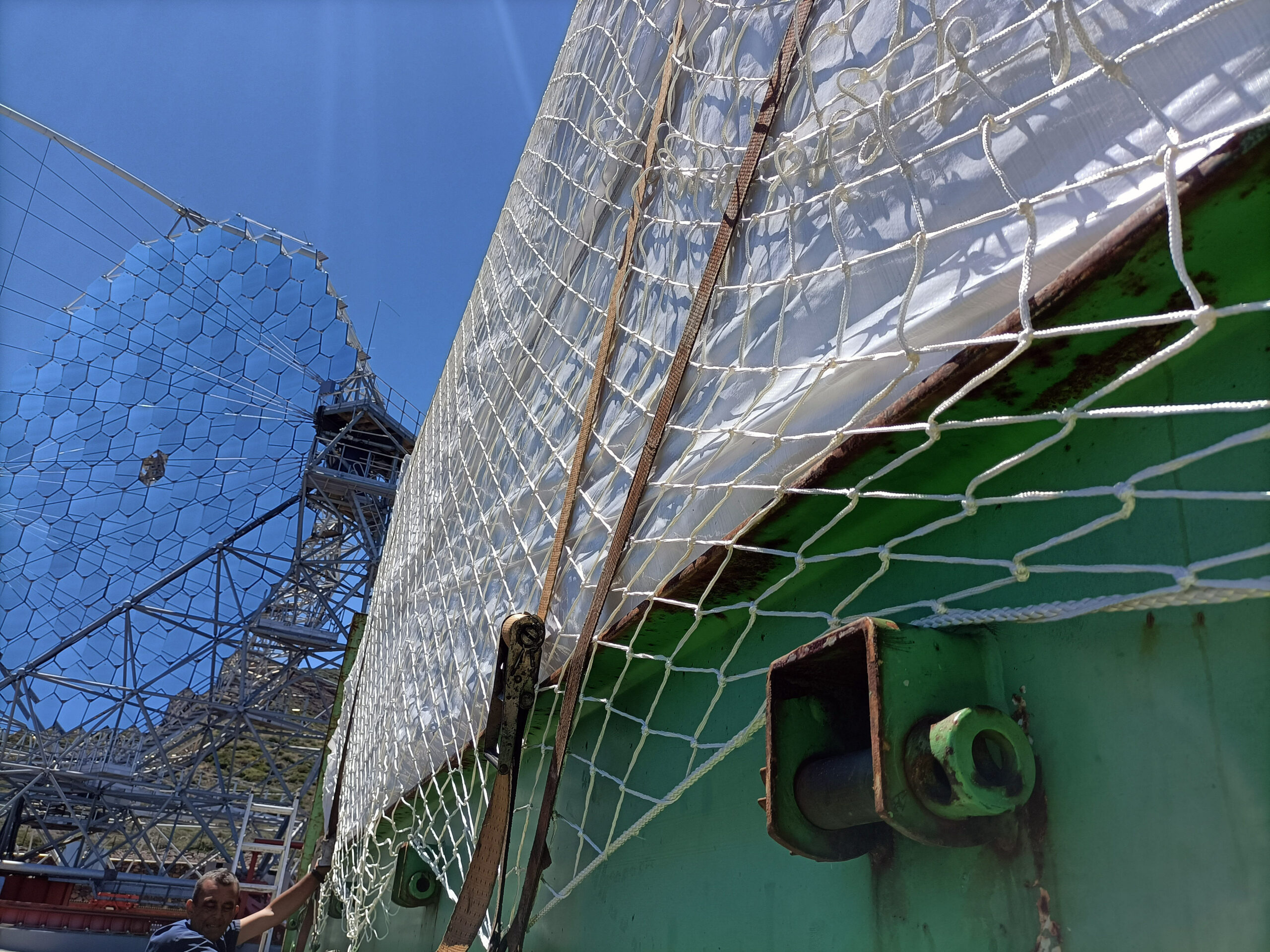
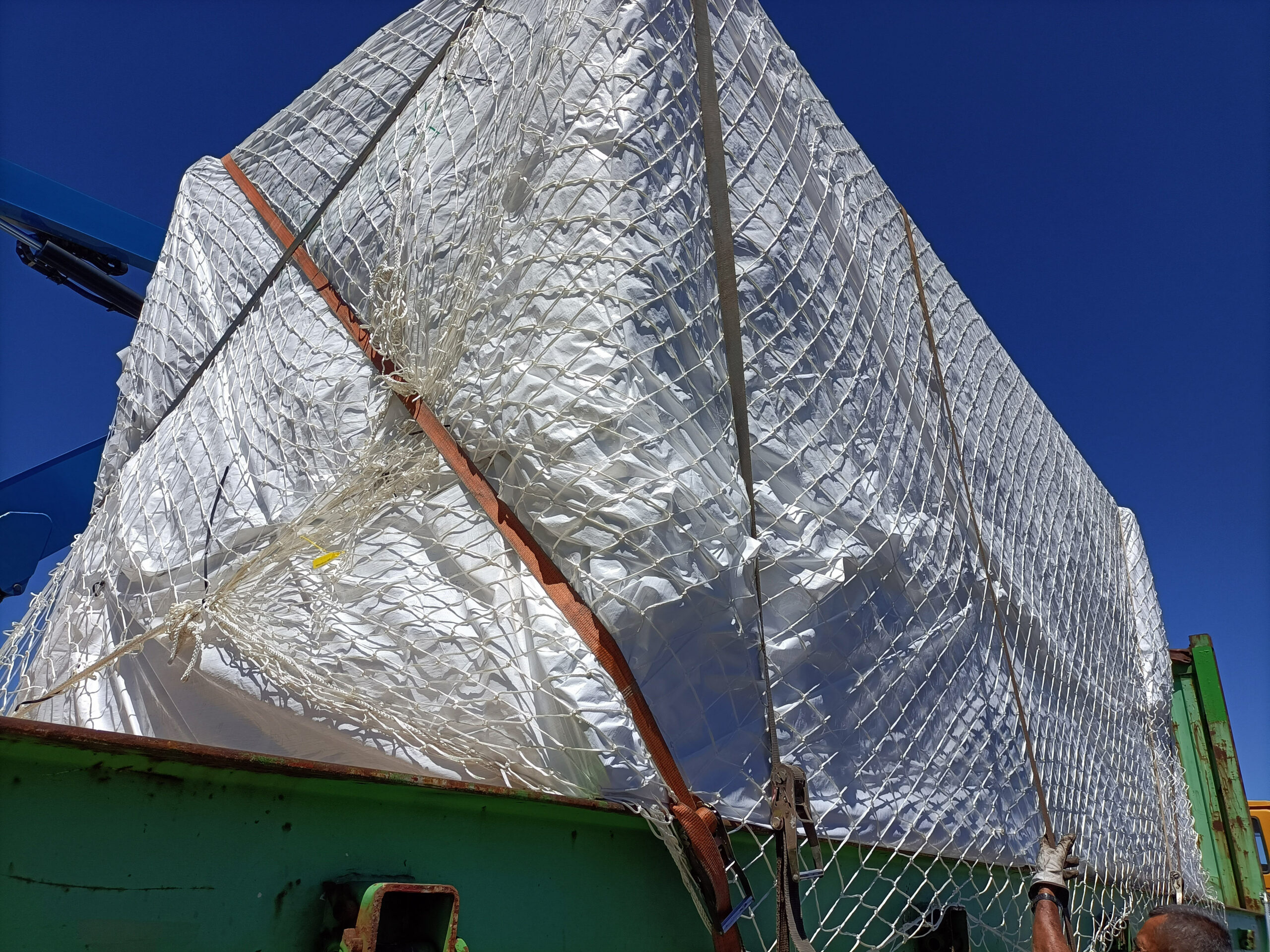
To this end, Archipiélago Logística implemented a protection system consisting of a heat-sealable aluminum bag in a bell-and-base configuration, manufactured specifically in the United Kingdom.
The procedure was carried out on-site at the Roque de los Muchachos Observatory, where a specialized team traveled to the site along with a heat-sealing technician.
The process consisted of:
place a sheet of aluminum foil on the bottom
Place the system on the base
add desiccants to control humidity
cover the assembly with an aluminum hood
Perform a complete heat seal
This system creates an airtight enclosure that protects the instruments from moisture and external contaminants during transport.
Once the protective packaging was complete, Archipiélago Logística arranged for the system to be shipped to Barcelona, where the planned updates would be carried out.